
Safety Needs and Precautions During Home Construction
Table of Contents
Embarking on a home construction project is an exciting journey, but it brings with it a range of safety challenges that must be addressed. Ensuring safety precautions for home construction is not merely a formality; it’s a crucial aspect of protecting both workers and the integrity of the project. Let’s delve into the essential strategies and considerations to maintain a safe and efficient construction environment.
Comprehensive Safety Planning
The foundation of any successful construction project is meticulous planning. Start by developing a robust safety plan that identifies potential hazards and outlines preventive measures. This plan should cover essential safety measures in building, including protocols for operating machinery, emergency procedures, and safety gear requirements. A well-prepared plan helps preempt issues and ensures that everyone on site is aware of the safety procedures.
Personal Protective Equipment (PPE)
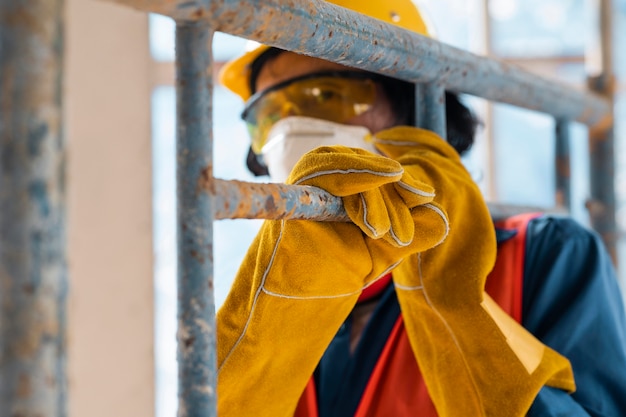
Proper use of Personal Protective Equipment (PPE) is a cornerstone of protecting workers during home building. Equip all workers with hard hats, safety goggles, gloves, and steel-toe boots. This gear shields against common construction site hazards, such as falling debris and sharp tools. Regular inspections and maintenance of PPE are necessary to ensure it remains effective. Always replace worn or damaged equipment promptly to maintain high safety standards.
Scaffolding and Ladder Safety
Scaffolding and ladders are indispensable tools but come with their own set of risks. Ensure that scaffolding is assembled according to manufacturer guidelines and is stable before use. Scaffolds should be inspected regularly for safety and structural integrity. For ladders, ensure they are placed on stable, level ground and extend at least three feet above the landing point for secure access. Training workers in proper ladder use can prevent falls and injuries.
Safe Handling of Materials and Equipment
Handling construction materials and equipment safely is essential to avoid accidents. Heavy materials should be lifted using mechanical aids or with the assistance of multiple workers to reduce strain and potential injury. Ensure that equipment such as cranes and forklifts is operated by trained professionals. Regular maintenance and inspections of machinery are also vital to prevent malfunctions that could result in accidents.
Electrical Safety
Electrical work is a critical but hazardous part of home construction. All electrical systems should be installed by licensed electricians following local building codes. Power sources must be turned off when working on electrical components, and insulated tools should be used. Workers should wear rubber-soled footwear to reduce the risk of electrical shock. Proper training in electrical safety practices is crucial for all workers involved in this aspect of construction.
Hazard Communication
Effective communication about potential hazards is key to maintaining safety on site. Clearly mark hazardous areas and materials with appropriate signage and labels. Regular safety briefings and training sessions help ensure that all workers are aware of the risks and the procedures to handle them. Open communication channels for reporting safety concerns can further enhance the safety culture on the construction site.
Emergency Preparedness
Despite best efforts, emergencies can occur. Prepare for such scenarios by establishing comprehensive emergency response plans. This includes evacuation routes, first-aid procedures, and emergency contact information. Equip the site with first-aid kits and ensure that key personnel are trained in basic first aid and CPR. Conduct regular drills to keep everyone prepared for unexpected situations.
Site Cleanliness and Organization
Maintaining a clean and organized construction site is integral to safety. Clear pathways of debris and obstacles to prevent tripping hazards. Properly store tools and materials when not in use to avoid accidental injuries. Regularly inspect the site for any emerging hazards and address them immediately. An orderly site not only promotes efficiency but also reduces the risk of accidents.
Environmental and Weather Considerations
Construction sites are exposed to environmental factors that can impact safety. Be mindful of weather conditions and their effects on the site. For example, wet or windy conditions can make scaffolding and ladders unstable, increasing the risk of falls. Protect the site from extreme weather and adjust work schedules as necessary to maintain safe working conditions.
Documentation and Compliance
Adhering to local building codes and regulations is not just about legal compliance but also about ensuring safety. Maintain thorough documentation of safety inspections, training, and incident reports. Regularly review and update safety practices to align with regulatory requirements and industry standards. Proper documentation helps track safety performance and identify areas for improvement.
Conclusion
Ensuring safety during home construction is a multifaceted endeavor that encompasses planning, equipment, training, and regulatory adherence. By implementing safety precautions for home construction and focusing on essential safety measures in building, you can protect workers and create a successful, incident-free project. Prioritizing construction site safety requirements and protecting workers during home building fosters a culture of safety that benefits everyone involved in the project.