10 Creative Ways to Build Your Dream Home on a Budget
Table of Contents

10 Creative Ways to Build Your Dream Home on a Budget
Building your dream home is an exciting milestone, but the costs can quickly add up. Fortunately, with some creativity and strategic planning, you can design a beautiful, functional home without breaking the bank. From sourcing affordable materials to optimizing space, there are countless ways to stay within your budget while still achieving the home of your dreams.
1. Prioritize Your Must-Haves
Before diving into design plans, take time to define your priorities. What features are non-negotiable, and what can you compromise on? For example, if an open-concept living area is essential, you might reduce costs by opting for smaller bedrooms or a simpler kitchen layout. Creating a detailed list of priorities ensures you allocate your budget wisely and avoid overspending on unnecessary upgrades.
2. Choose a Simple, Efficient Layout
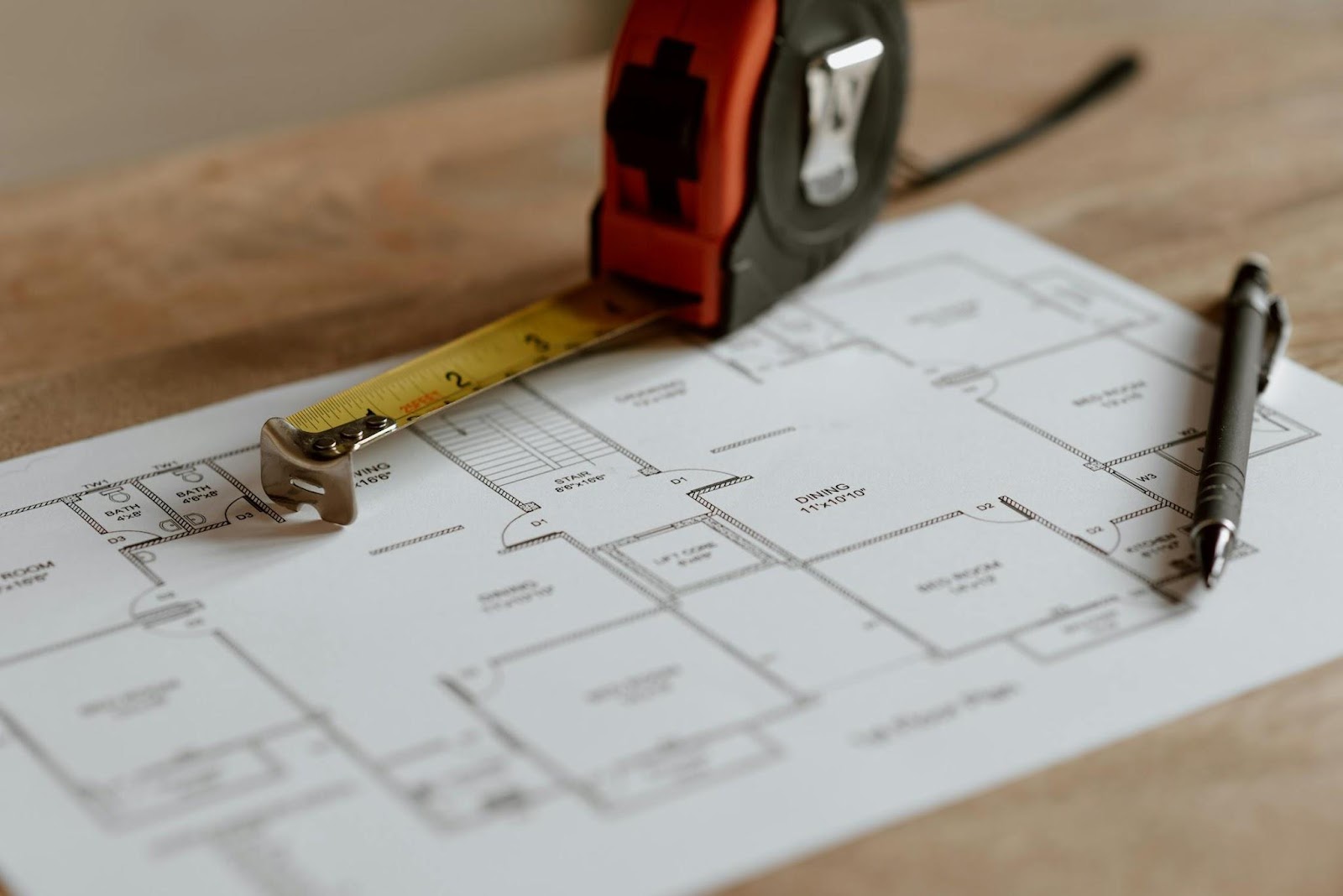
Complex architectural designs often come with higher construction costs. Instead, opt for a straightforward, rectangular or square floor plan, which minimizes waste and reduces labor expenses. Open floor plans are not only trendy but also cost-effective, as they eliminate the need for extra walls and doors. Additionally, consider a single-story home if it fits your needs, as multi-level homes typically require more materials and labor.
3. DIY Where You Can
Taking on some do-it-yourself projects can significantly cut down costs. While certain tasks like electrical work or plumbing should be left to professionals, many others—such as painting, landscaping, installing flooring, or assembling cabinets—can be done by homeowners with some research and effort. Not only does this save money, but it also gives you a sense of accomplishment and personal touch in your home.
4. Source Reclaimed and Salvaged Materials
One of the most effective ways to save money is by using reclaimed or salvaged materials. Salvaged wood, bricks, doors, and windows can often be found at demolition sites, salvage yards, or online marketplaces at a fraction of the cost of new materials. These materials not only reduce expenses but also add character and uniqueness to your home. Just ensure they are in good condition and meet safety standards before use.
- Windows and Doors: Check local salvage shops or websites like Craigslist or Facebook Marketplace for pre-owned options.
- Hardware: Vintage door handles, knobs, and fixtures can add charm and cost less than new ones.
- Flooring: Reclaimed hardwood or tile can give your home a rustic, timeless look without the high price tag.
5. Opt for Energy Efficiency
Investing in energy-efficient features may seem like an upfront cost, but they pay off in the long run by reducing utility bills and increasing comfort. Simple additions like LED lighting, energy-efficient appliances, and proper insulation can lower monthly expenses. Consider passive solar design by strategically placing windows to maximize natural light and heat. Additionally, installing a programmable thermostat or solar panels can further cut costs over time.
6. Use Prefabricated or Modular Components
Prefabricated or modular building components can save both time and money. Prefab homes, for instance, are built off-site and assembled on your property, reducing labor costs and construction time. Similarly, using pre-made cabinetry, countertops, or even entire rooms (like modular bathrooms) can streamline the building process and minimize waste. These options are often customizable and can be more affordable than traditional construction methods.
7. Negotiate with Contractors and Suppliers
Don’t be afraid to negotiate prices with contractors, suppliers, or laborers. Many professionals are willing to offer discounts, especially if you bundle services or pay upfront. Get multiple quotes from different contractors to compare prices and leverage competitive offers. Additionally, ask suppliers for discounts on bulk purchases or off-season deals. Building a good relationship with your contractor can also lead to better pricing and fewer unexpected costs.
8. Maximize Natural Light and Ventilation
Designing your home to take advantage of natural light and airflow can reduce the need for artificial lighting and air conditioning, saving money on electricity. Large windows, skylights, and strategically placed mirrors can brighten up your space during the day. Cross-ventilation, achieved by placing windows on opposite sides of a room, can improve airflow and reduce the need for fans or air conditioning. These design choices not only cut costs but also create a more pleasant living environment.
9. Phase Your Project to Spread Out Costs
Building your entire home at once can be overwhelming and expensive. Instead, consider phasing your project by completing essential areas first and adding extras later. Start with the foundation, walls, and roof to create a weatherproof structure, then focus on interior spaces like kitchens and bathrooms. You can always add decorative elements, landscaping, or additional rooms as your budget allows. This approach ensures you have a functional home from the start while spreading out expenses over time.
10. Incorporate Multifunctional Spaces
Small homes or tighter budgets benefit from multifunctional spaces that serve multiple purposes. For example, a home office can double as a guest bedroom with a sleeper sofa, or a dining area can be combined with the kitchen to save space. Built-in storage solutions, like under-stair drawers or window seats, also help maximize space without adding extra square footage. These clever design choices allow you to get more out of your home without increasing costs.
Final Thoughts
Building your dream home on a budget is entirely possible with the right strategies and mindset. By prioritizing your needs, embracing DIY projects, sourcing affordable materials, and making smart design choices, you can create a beautiful and functional home without overspending. Remember, the goal is to balance your vision with practicality—your dream home doesn’t have to come with a hefty price tag. With patience and creativity, you’ll soon be enjoying the home you’ve always wanted, all while staying within your budget.