Essential Needs for Home Construction: What You Should Know
Table of Contents

Building a home is an exciting and complex journey that demands careful planning and consideration. Understanding the essential needs for home construction can make this process smoother and more efficient. From choosing the right materials to managing costs, there are several critical aspects to address. This guide highlights key considerations and how recent innovations like Build-Your-Own Kits are impacting the construction landscape.
Planning and Design
Setting Clear Goals
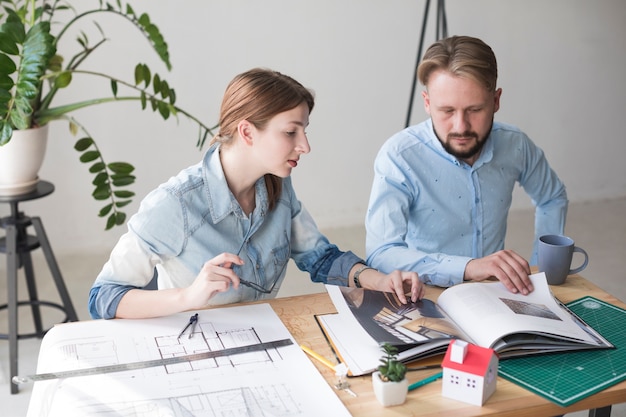
Before breaking ground, defining your goals and vision for the home is paramount. This includes deciding on the size, style, and features you desire. A well-thought-out plan helps streamline the building process and ensures that the final result aligns with your expectations. Considerations such as room layout, energy efficiency, and aesthetic preferences should all be addressed during this phase.
Budgeting Wisely
One of the most crucial aspects of home construction is establishing and sticking to a budget. Costs can quickly spiral out of control if not carefully managed. Include estimates for materials, labor, permits, and unexpected expenses. Utilizing tools and resources that offer transparent cost breakdowns can be beneficial in maintaining financial control throughout the project.
Materials and Resources
Selecting Quality Materials
The quality of materials used in construction directly affects the durability and longevity of your home. Opt for materials that are both functional and aesthetically pleasing. Whether you choose traditional wood, modern composites, or eco-friendly options, ensure that the materials meet industry standards and are suitable for your specific climate and needs.
Efficient Resource Management
Managing resources efficiently is essential for minimizing waste and staying within budget. The Impact of DIY House Kits on Construction is significant in this regard. These kits often come with pre-measured materials and detailed instructions, reducing the risk of over-purchasing and waste. This efficiency not only saves money but also contributes to more sustainable building practices.
Construction Process
Hiring the Right Professionals
While some choose to take a hands-on approach with Build-Your-Own Kits, others may prefer to hire professionals. Selecting the right contractor, architect, and other specialists is crucial. Look for individuals with experience and positive reviews. Clear communication and a detailed contract can prevent misunderstandings and ensure that the project progresses smoothly.
Following Regulations and Permits
Compliance with local building codes and regulations is a non-negotiable aspect of home construction. Obtain all necessary permits before starting your project to avoid legal issues and potential fines. Familiarize yourself with local zoning laws and construction standards to ensure that your home meets all requirements.
Innovations in Home Building
Embracing New Technologies
How Home Kits Are Changing Building reflects a broader trend towards innovative construction solutions. Build-Your-Own Kits are revolutionizing the industry by offering a more accessible and customizable approach to home building. These kits often include advanced materials and construction methods that enhance efficiency and quality.
Sustainable Solutions
Sustainability is becoming increasingly important in construction. The Transformative Effects of Build-Your-Own Kits include their focus on eco-friendly materials and energy-efficient designs. Many modern kits incorporate sustainable practices, such as using recycled materials and optimizing energy use, which align with the growing demand for greener building options.
Final Touches and Moving In
Interior Design and Finishing
Once the main construction is complete, attention shifts to interior design and finishing touches. This includes selecting flooring, cabinetry, fixtures, and paint. Personalizing these elements allows you to create a space that reflects your style and meets your functional needs. Consider working with an interior designer if you seek a cohesive and professionally curated look.
Preparing for Occupancy
Before moving in, conduct a thorough inspection of the home to ensure everything is in order. Check for any final adjustments or corrections needed and ensure that all systems, such as plumbing and electrical, are functioning correctly. Completing a checklist of tasks will help ensure a smooth transition into your new home.
Conclusion
Understanding the essential needs for home construction is key to a successful building project. From meticulous planning and budgeting to selecting quality materials and embracing innovations like Build-Your-Own Kits, each step plays a critical role in creating your dream home. The Revolution in Home Building with Kits has introduced new possibilities, making the process more accessible and efficient. By staying informed and prepared, you can navigate the complexities of home construction with confidence and achieve a result that exceeds your expectations.
Incorporating the latest trends and technologies, such as The Impact of DIY House Kits on Construction and How Home Kits Are Changing Building, offers valuable insights into modern home building. As the industry continues to evolve, The Transformative Effects of Build-Your-Own Kits will likely play an increasingly significant role in shaping the future of residential construction.