The Latest Buzz in Home Design and Architecture
Table of Contents

Home design and architecture are evolving at a remarkable pace, driven by a fusion of innovative ideas and cutting-edge technologies. As we move through 2024, the landscape of current trends in home architecture reflects a dynamic interplay between aesthetics, functionality, and environmental considerations. Let’s delve into the latest home design innovations, explore the buzzing topics in home design, and discover the new developments in architecture that are capturing the spotlight.
Embracing Sustainable Design
One of the most significant current trends in home architecture is the growing emphasis on sustainability. Eco-friendly building materials, energy-efficient systems, and green roofs are becoming staples in modern construction. Homeowners are increasingly opting for materials like bamboo, recycled steel, and reclaimed wood, which not only reduce environmental impact but also add a unique character to their spaces. Solar panels and rainwater harvesting systems are also gaining traction, offering practical solutions to reduce utility bills and minimize ecological footprints. This shift towards sustainability is not just a trend but a crucial movement towards a greener future.
Smart Home Technology Integration
The latest home design innovations are heavily influenced by the rise of smart home technology. From voice-activated lighting to intelligent climate control systems, the integration of technology into home design is enhancing convenience and efficiency. Automated home systems allow homeowners to control lighting, security, and even appliances from their smartphones or voice assistants. This seamless integration not only simplifies daily life but also contributes to energy savings and increased home security. The blend of technology with interior design is creating spaces that are both futuristic and functional.
Minimalist Meets Maximalist
A fascinating development in buzzing topics in home design is the juxtaposition of minimalist and maximalist styles. While minimalism emphasizes clean lines, simplicity, and decluttered spaces, maximalism celebrates bold colors, eclectic patterns, and a sense of abundance. The new trend merges these seemingly contrasting styles, creating interiors that balance simplicity with expressive, vibrant elements. This hybrid approach allows homeowners to enjoy the tranquility of minimalism while incorporating personalized touches that reflect their individuality.
Biophilic Design
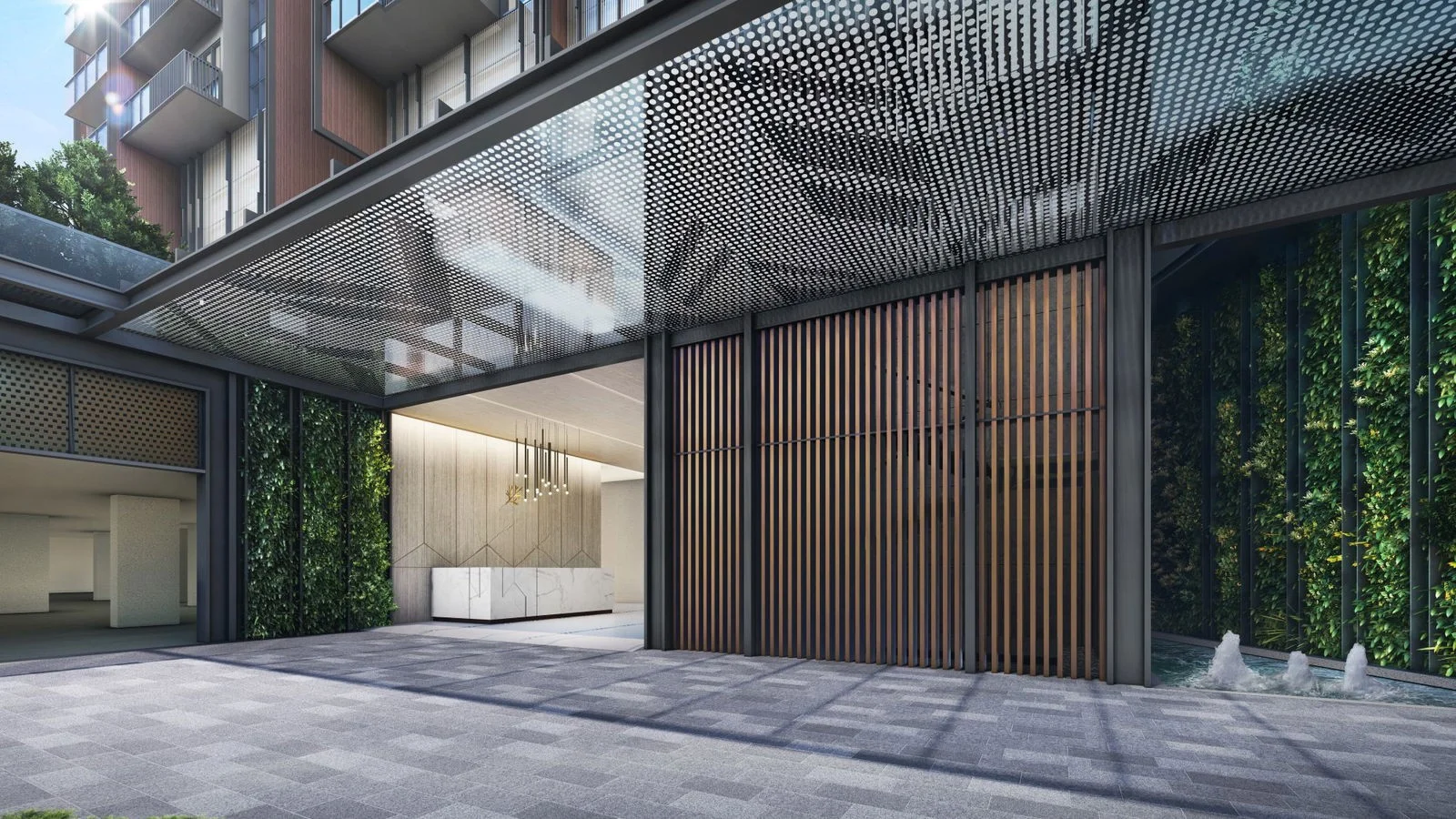
The concept of biophilic design is gaining prominence among new developments in architecture. This approach focuses on creating spaces that connect occupants with nature, promoting well-being and reducing stress. Features such as indoor gardens, living walls, and expansive windows that frame outdoor views are becoming popular. By integrating natural elements into home design, architects are enhancing the aesthetic appeal and fostering a healthier living environment. Biophilic design not only improves air quality but also creates a calming ambiance that resonates with nature.
Adaptive Reuse of Buildings
Another notable trend is the adaptive reuse of buildings, which involves repurposing existing structures for new uses. This approach is not only environmentally friendly but also preserves historical architecture and cultural heritage. For example, old warehouses and factories are being transformed into chic lofts and creative office spaces. This trend highlights the value of maintaining architectural integrity while meeting contemporary needs. It also provides a unique character to modern developments that new constructions often lack.
Multi-Functional Spaces
With changing lifestyles and increasing urbanization, current trends in home architecture are leaning towards multi-functional spaces. Homes are being designed with flexible layouts that can adapt to various needs—be it a home office, gym, or guest room. Sliding partitions, convertible furniture, and modular designs are making it easier to maximize space without compromising on style. This versatility is particularly valuable in urban settings where space is at a premium.
Health-Conscious Design
Health-conscious design is becoming a significant focus in latest home design innovations. Architects and designers are incorporating features that promote physical and mental well-being, such as improved ventilation systems, non-toxic materials, and spaces that encourage movement and relaxation. Elements like ergonomic furniture, soundproofing, and natural light are integral to creating environments that support a healthy lifestyle. This trend underscores the growing recognition of the link between our living environments and overall health.
Innovative Use of Materials
The exploration of new and unconventional materials is making waves in buzzing topics in home design. From 3D-printed concrete to self-healing materials, architects are pushing the boundaries of what’s possible. These innovations not only enhance the durability and sustainability of buildings but also offer exciting aesthetic possibilities. For instance, translucent concrete and reflective surfaces are being used to create striking visual effects and improve natural light distribution.
Conclusion
The realm of home design and architecture is brimming with new developments in architecture that reflect both a desire for innovation and a commitment to sustainability. From smart technology and biophilic design to adaptive reuse and health-conscious considerations, the latest home design innovations are transforming how we live and interact with our spaces. As these current trends in home architecture continue to evolve, they will undoubtedly shape the future of living environments in exciting and meaningful ways. Embracing these trends not only enhances our homes but also aligns with broader goals of environmental responsibility and personal well-being.