Modern Conservatory Design Ideas That Don’t Look Dated
Table of Contents
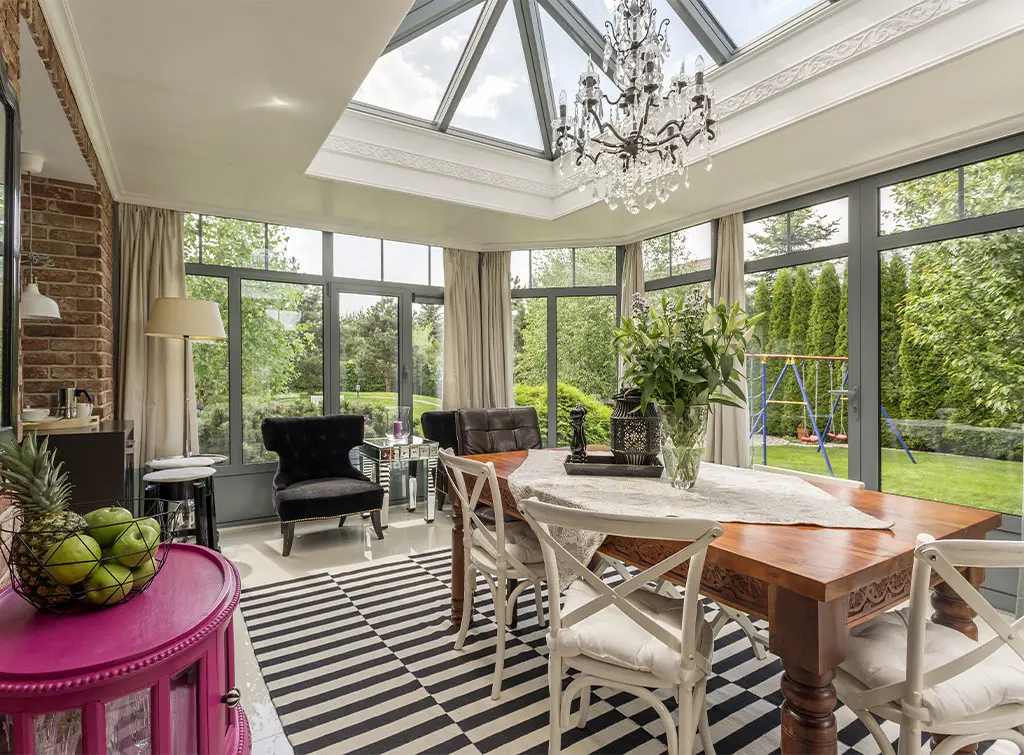
Conservatories have come a long way from the plastic-panelled add-ons of the 1990s. Once seen as summer-only spaces prone to overheating or freezing, modern conservatories are now stylish, year-round extensions of the home. With advances in glazing, roofing, and architectural design, homeowners across the UK are reimagining conservatories as seamless transitions between indoors and out. Rather than feeling like a bolt-on, today’s conservatories are designed to blend effortlessly with the rest of the house—both aesthetically and practically. If you’re considering updating your existing conservatory or planning a new build, there are plenty of modern design ideas to explore that won’t look tired within a few years.
Embracing a Minimalist Frame
Clean lines and slim-profile aluminium frames are defining the new generation of conservatories. Traditional white uPVC is still functional, but for a more contemporary look, powder-coated aluminium in black, grey or deep green offers a sleek, architectural edge. These frames also allow for larger panes of glass, giving better views and more natural light. A minimalist frame design avoids the fussiness often associated with older conservatories and works particularly well with both modern and period properties. The use of understated framing materials makes the conservatory feel like a natural part of the home rather than a decorative add-on.
Choosing a Solid or Hybrid Roof
One of the most effective ways to modernise a conservatory is to move away from full-glass roofing. Solid tiled roofs or hybrid roofs that incorporate glass panels are increasingly popular among UK homeowners. They reduce glare, improve energy efficiency, and help the conservatory feel more like a proper room. With the right lighting and insulation, these spaces become usable every day of the year. Some homeowners opt for plastered ceilings with downlights, while others add roof lanterns to maintain a bright and open feel. A tiled roof can also be colour-matched to your home’s existing roofline, giving the conservatory a more cohesive, built-in appearance.
Connecting with the Garden
One of the main benefits of a conservatory is its position at the edge of the home and garden. To maximise this connection, modern designs prioritise large, uninterrupted glass walls and floor-to-ceiling doors. Bifold or sliding doors create a seamless flow between the house and the garden, making the space ideal for entertaining or relaxing. Hard landscaping like decking or stone paving that continues from the interior outwards can blur the lines even further. Plants, outdoor lighting, and matching flooring materials can help turn the conservatory into a true garden room, not just a separate glass box.
Making a Statement with Flooring
Floors play a crucial role in defining the character of a conservatory. Patterned tiles, polished concrete, or wide-plank engineered wood are all excellent choices for creating a space that feels fresh and contemporary. Unlike older conservatories that were often fitted with beige carpet or laminate, modern spaces are designed with visual impact and practicality in mind. For homeowners looking to merge a conservatory with a kitchen or dining area, choosing the same flooring throughout helps create a sense of flow. Underfloor heating can also be installed beneath tiles or stone, solving the age-old issue of chilly conservatories in winter.
A New Approach to Furnishing
How you furnish a conservatory can quickly set the tone for how modern or dated it feels. Avoiding wicker or floral fabrics and instead opting for contemporary furniture in natural woods, linen, or even minimalist metal can transform the space into a stylish retreat. Built-in benches, modular shelving, and neutral colour palettes help maintain a sleek and clutter-free environment. For those using the space as a dining room, choosing modern chairs and a simple table can make the conservatory feel more integrated into the home’s wider style. Soft furnishings in earth tones or textured neutrals help tie the space to nature without feeling too rustic.
Smart Lighting for Flexible Use
Lighting is no longer an afterthought when it comes to conservatory design. With more homeowners using the space for dining, working, or relaxing in the evening, thoughtful lighting design is essential. Spotlights, hanging pendants, and even concealed LED strips are now common in roof designs and wall features. Smart lighting systems controlled by app or voice command allow users to adjust brightness and colour depending on the mood or time of day. Skylight blinds, privacy glass, and UV filters can also be fitted to manage natural light and heat throughout the year.
Open-Plan Conservatories
Rather than building a conservatory as a separate space, many modern home layouts now integrate the conservatory into an open-plan kitchen or living area. This creates a more spacious and sociable environment where light flows through the entire rear of the property. By removing the dividing wall between the main house and the conservatory, or by building the conservatory as a fully open-plan extension, homeowners gain a larger footprint without the cost of a full two-storey extension. Using matching cabinetry, lighting fixtures, and kitchen tiles can help unify the look while making the conservatory feel purposeful and considered.
Incorporating Technology Seamlessly
Technology is another hallmark of the modern conservatory. Automated blinds, smart glass that adjusts to sunlight, integrated speakers, and climate control systems all help elevate the space from functional to luxurious. Many homeowners are now treating their conservatory as a year-round living room or office, and the technology built into it reflects this. In smart homes, the conservatory can be linked into central heating systems or monitored via mobile apps for temperature and lighting. These upgrades not only increase comfort but also add long-term value to the property.
Colour Palettes That Stand the Test of Time
While bright colours had their moment in the sun, today’s modern conservatories favour neutral and natural palettes. Whites, greys, sage greens, and soft charcoals help create a calm and timeless atmosphere. When used alongside wood tones or black frames, these colours avoid being stark and instead bring warmth and depth to the space. Accent colours can still be used through soft furnishings or accessories, but the main structure tends to stay grounded in shades that won’t quickly go out of style. Choosing finishes and colours that echo the rest of your home also helps the conservatory feel fully integrated.
Sustainability in Design
Modern conservatories are increasingly being designed with sustainability in mind. Double or triple glazing, energy-efficient roofing materials, and well-insulated walls all contribute to lower running costs and reduced environmental impact. Many homeowners now choose conservatory materials that are recycled or recyclable and opt for low-maintenance finishes to reduce the need for chemical cleaning products. A conservatory that performs well year-round and supports an eco-conscious lifestyle is not just more comfortable but also more in tune with modern values. For those investing in solar panels or smart energy systems, the conservatory can be a natural part of a low-carbon home.