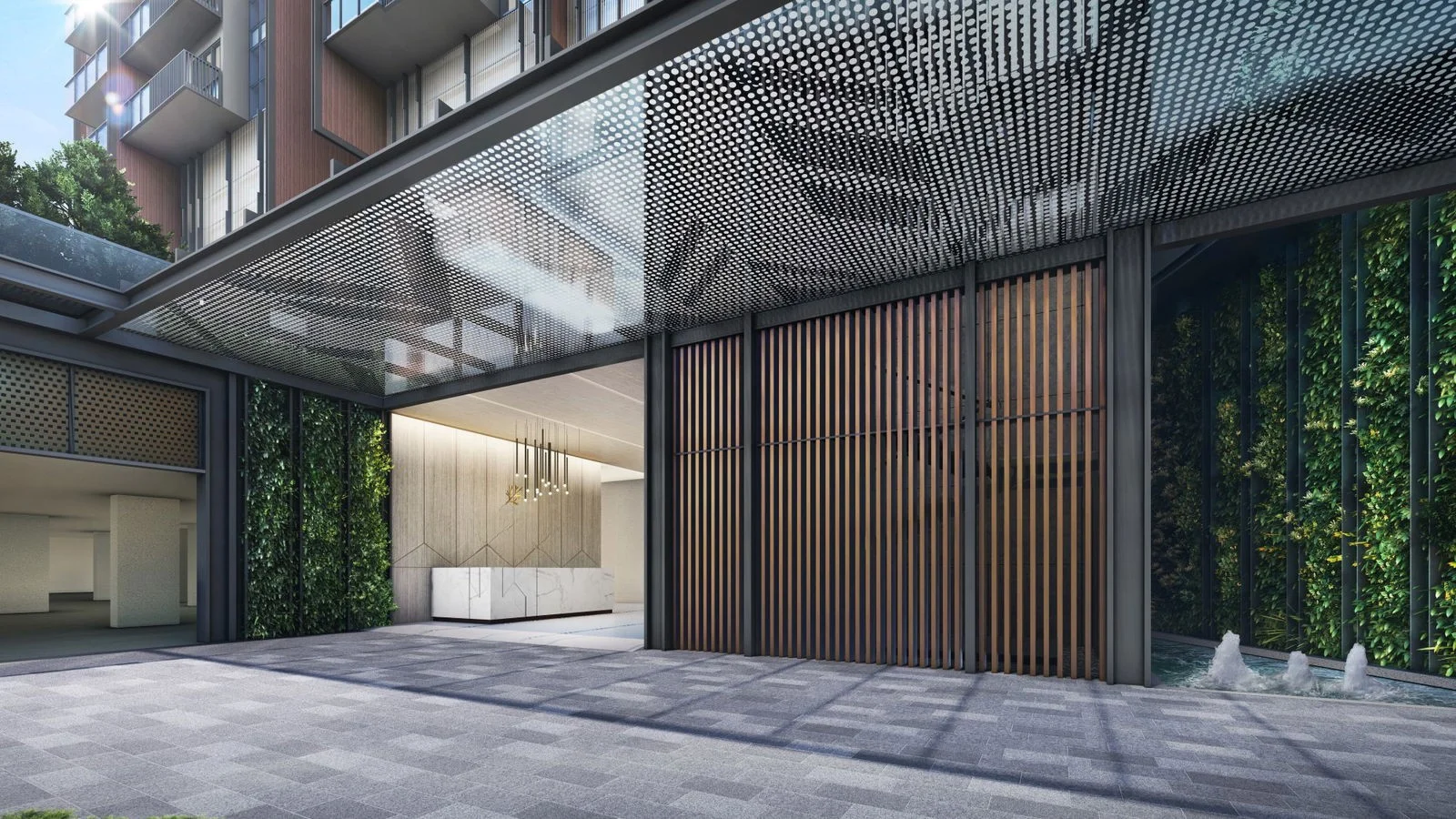
How to Design Your Perfect Custom Home Plan
Table of Contents

Designing your ideal living space is both an exciting and intricate journey. Designing your perfect custom home plan allows you to craft a residence that not only reflects your style but also meets your practical needs. From envisioning your dream home to finalizing the perfect custom home blueprint, each step is crucial in creating a home that is uniquely yours.
Defining Your Vision
Before diving into creating your ideal custom home design, start by defining your vision. This initial phase involves a deep reflection on what you want and need from your home. Consider these factors:
- Lifestyle Needs: Think about your daily activities and how your home can facilitate them. For example, if you work from home, you might need a dedicated office space. If you entertain frequently, consider open-plan living areas and ample guest accommodations.
- Aesthetic Preferences: Identify the architectural style and design elements that appeal to you. Whether you favor modern minimalism, classic elegance, or rustic charm, your home’s design should resonate with your personal taste.
- Future Plans: Account for potential future needs, such as expanding your family or incorporating new hobbies. Designing with flexibility in mind ensures that your home can evolve with your lifestyle.
Setting a Realistic Budget
A well-defined budget is essential for how to plan a custom home to your liking. Establishing a realistic budget involves:
- Estimating Costs: Include all potential expenses, such as design fees, construction costs, permits, and interior finishes.
- Allocating Resources: Divide your budget into categories to manage costs effectively, from structural elements to decorative touches.
- Contingency Planning: Set aside an extra percentage of your budget for unexpected expenses, ensuring that you’re prepared for any surprises along the way.
Collaborating with Professionals
For a smooth journey in designing your perfect custom home plan, working with the right professionals is key. Consider hiring:
- Architects: They will help translate your vision into detailed perfect custom home blueprints. Look for architects with experience in the style you desire and a strong portfolio of past projects.
- Interior Designers: They can assist in creating a cohesive design scheme that integrates seamlessly with the architectural elements of your home.
- Builders: Choose reputable builders with a track record of successful projects. Their expertise will bring your plans to life and ensure quality construction.
Creating a Functional Layout
A critical aspect of creating your ideal custom home design is ensuring that the layout is both functional and aesthetically pleasing. Focus on:
- Space Planning: Arrange spaces to maximize functionality and flow. For example, place the kitchen near dining areas and incorporate ample storage solutions throughout the home.
- Zoning: Consider zoning different areas of your home for specific purposes, such as private and public zones. This approach helps in maintaining privacy and organization.
- Natural Light: Design with natural light in mind. Position windows and skylights to enhance daylighting, creating a bright and inviting atmosphere.
Finalizing the Blueprint
Once you have a solid design, it’s time to finalize the perfect custom home blueprint. This step involves:
- Detailed Plans: Ensure that the blueprint includes comprehensive details, such as floor plans, elevations, and cross-sections. These details will guide the construction process and ensure accuracy.
- Design Review: Review all aspects of the blueprint with your architect and designer to confirm that every element aligns with your vision and budget.
- Permits and Approvals: Submit your final plans to local authorities for necessary permits and approvals. This step is crucial for ensuring that your design complies with building codes and regulations.
Preparing for Construction
With your blueprint in hand, the next phase is preparing for construction. This involves:
- Selecting Materials: Choose high-quality materials that align with your design and budget. Consider both durability and aesthetics in your selections.
- Scheduling: Work with your builder to establish a construction timeline and milestones. This helps in tracking progress and ensuring timely completion of your project.
- Regular Communication: Maintain open communication with your builder and design team throughout the construction process. Regular updates and site visits will help address any issues promptly.
Conclusion
Designing your perfect custom home plan is a rewarding process that transforms your vision into a reality. By carefully creating your ideal custom home design and working with skilled professionals, you can achieve a home that not only meets your needs but also reflects your personal style. From the initial concept to the final touches, every step is an opportunity to craft a residence that is uniquely yours. Embrace the journey and look forward to the satisfaction of living in a home designed just for you.