How Bespoke Patterns Are Made in Stamped Concrete
Table of Contents
Planning and Designing a Unique Pattern
Stamped concrete has become an increasingly popular choice for homeowners and businesses across the UK who want to create attractive outdoor surfaces with the durability of concrete and the appearance of more expensive materials. One of its key advantages is the ability to produce bespoke patterns that replicate the look of stone, brick, slate, or even wood. These patterns are not only practical but also highly customisable, allowing each installation to be unique and tailored to the style of the property. Understanding how these bespoke patterns are created gives a greater appreciation of the craftsmanship involved and explains why stamped concrete is such a versatile paving solution.
The process begins with careful planning and design. Before any work starts on site, the installer will work with the client to determine the preferred pattern, texture, and colour scheme. Because stamped concrete can mimic a variety of materials, there is a huge range of options to choose from. Popular choices include cobblestone for a traditional appearance, flagstone for a more natural look, or herringbone brick patterns for a classic finish. For a bespoke design, the layout can be adapted to suit the property, taking into account shapes, borders, and even custom motifs.
Preparing the Base for a Durable Installation
Once the design is agreed upon, preparation of the base is critical. Like any concrete installation, a stable foundation ensures longevity and prevents future issues such as cracking or sinking. The area is excavated to the correct depth, compacted, and layered with a sub-base material before formwork is installed to define the edges of the project. Steel reinforcement is often added to provide extra strength, especially for driveways that will bear the weight of vehicles. The concrete mix itself is then prepared, with additives and colour pigments incorporated if a particular shade is desired throughout the slab.
Adding Colour and Surface Treatments
The concrete is poured and levelled to create an even surface. At this stage, colour hardeners and release agents may be applied to the surface to enhance the final look. Colour hardeners increase the strength of the surface while giving it a rich tone, while release agents prevent the stamping mats from sticking to the wet concrete. These agents can also be tinted to create subtle variations in colour, adding depth and realism to the final design. This combination of integral colour, hardeners, and release agents allows for endless possibilities, whether the goal is a uniform appearance or a more natural, variegated effect.
Stamping to Create the Desired Pattern
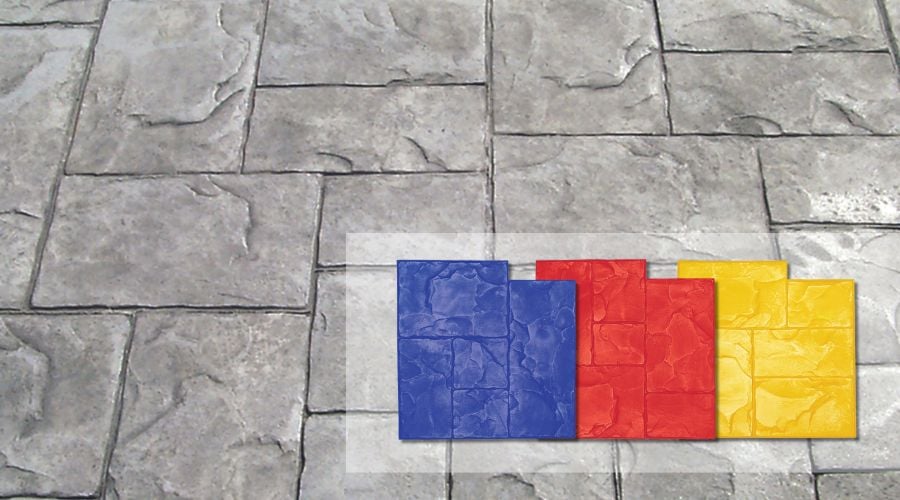
Stamping is carried out while the concrete is still plastic but firm enough to hold an impression. Specially designed stamping mats or moulds, which have been cast from real stone, brick, or wood, are pressed into the surface. These mats are made in various sizes and shapes so they can be arranged to fit the specific area. For bespoke patterns, the installer may use multiple mat designs in combination, switching between them to create a less repetitive and more natural look. Careful attention is paid to how each mat is placed to avoid visible seams or patterns that appear too regular.
Adding Borders and Decorative Details
Borders and edges are often created separately to give a more defined and professional finish. For example, a driveway might feature a cobblestone border surrounding a larger field of flagstone or slate patterning. These details are achieved by using smaller moulds or hand tools to stamp or carve the design once the main area has been completed. Skilled installers can also use hand tools to add extra texture or detail in specific areas, ensuring that every installation has its own character.
Curing and Enhancing the Appearance
Once stamping is complete, the concrete is left to cure. After it has hardened sufficiently, any excess release agent is washed away. At this point, installers can enhance the bespoke appearance even further by adding stains or tints to particular areas, creating highlights and shadows that mimic the natural variation seen in real stone or brick. This extra step is often what elevates a standard stamped concrete project into a truly unique design.
Sealing for Protection and Longevity
Sealing is the final stage of the process. A high-quality sealer protects the surface from stains, weather, and wear while also enhancing the colour and giving it a slight sheen. For outdoor areas in the UK, where rain and frost can take their toll, sealing is essential for maintaining the appearance and longevity of the concrete. The sealer can also be reapplied periodically to refresh the surface and keep it looking new for years to come.
Why Bespoke Stamped Concrete Stands Out
What makes bespoke stamped concrete so appealing is the combination of durability and customisation. Because the concrete is a single slab rather than individual pieces, it is less likely to shift or settle unevenly. At the same time, the wide range of patterns, colours, and textures means that no two projects ever need to look the same. This flexibility makes it suitable for all kinds of applications, from driveways and patios to walkways, courtyards, and commercial spaces.
Creating Realistic and Unique Designs
The ability to replicate high-end materials at a fraction of the cost is another reason for stamped concrete’s popularity. Natural stone or brick paving can be expensive to purchase and install, especially for large areas. Stamped concrete offers the same visual appeal without the labour-intensive process of laying individual pieces. With advances in tools and colouring techniques, the results can be so realistic that it is difficult to tell the difference at a glance.
Bespoke patterns are not limited to imitating existing materials. Installers can create completely unique designs by combining textures, borders, and colour variations. Decorative elements such as medallions, logos, or intricate motifs can be incorporated, particularly in commercial settings where branding or a standout feature is desired. These custom touches are achieved through specialised moulds and stencils, which are pressed into the surface in a similar way to the stamping mats.
The Role of Skilled Craftsmanship
Another advantage of bespoke stamped concrete is how well it can complement the existing features of a property. By selecting colours and patterns that match or contrast with surrounding materials, the finished surface can tie together the overall aesthetic of a home or business. For example, a driveway leading to a brick-built house might use a brick-effect pattern in a complementary shade, while a patio in a landscaped garden might feature flagstone textures to blend naturally with the outdoor space.
The skill of the installer plays a vital role in achieving a high-quality result. Stamping concrete requires a good understanding of timing, as the surface must be at the right stage of curing to take the impressions properly. Experienced professionals know how to manage large areas efficiently, ensuring that each section is stamped before the concrete becomes too hard to work with. They also understand how to place mats in a way that avoids noticeable repetition, keeping the pattern looking authentic and visually appealing.
Colour Blending for a Natural Finish
Colour blending is another area where expertise makes a difference. By using different release agents, stains, or tints, installers can add layers of colour that create depth and realism. This technique can mimic the variation seen in natural stone or aged brick, where no two pieces look exactly the same. For homeowners or businesses that want a bespoke appearance, this attention to detail is what transforms stamped concrete from a functional surface into a design feature.
Maintaining the Finished Surface
Maintenance of stamped concrete is relatively straightforward, which adds to its appeal. Regular cleaning and resealing every few years help protect the surface and keep colours vibrant. Because the paving is a single slab, there is no risk of weeds growing between joints, which is a common issue with traditional block paving. This makes stamped concrete a practical choice for those who want a low-maintenance but visually striking outdoor surface.
The Growing Popularity of Stamped Concrete in the UK
The rise in popularity of stamped concrete in the UK reflects changing tastes and the desire for outdoor spaces that are both beautiful and practical. With bespoke patterns, property owners can enjoy a surface that is tailored to their preferences while benefiting from the durability of concrete. As techniques continue to advance, the possibilities for unique and personalised designs will only expand further, making stamped concrete an increasingly versatile option for homes and businesses alike.
Ultimately, the creation of bespoke patterns in stamped concrete is a blend of artistry and technical skill. It involves planning, precision, and a deep understanding of materials and timing. From the initial design discussions to the final sealing, each step contributes to a finished product that is durable, practical, and visually impressive. Whether replicating the look of natural stone or creating something entirely unique, stamped concrete offers endless opportunities for personalisation, ensuring that every installation can be as individual as the property it enhances.