Eco-Friendly Home Improvement Solutions to Consider
Table of Contents

As awareness of environmental issues continues to rise, more homeowners are seeking ways to make their living spaces eco-friendly. Whether you’re planning a major renovation or simply looking to make small changes, integrating sustainable practices into your home improvement projects can reduce your carbon footprint and save on energy costs. Here, we explore various Eco-Conscious Remodeling Tips and Green Home Renovation Ideas that can make your home a more sustainable sanctuary.
1. Opt for Sustainable Building Materials
One of the most impactful ways to green your home renovation is by choosing Sustainable Building Materials. Traditional building materials, like concrete and steel, are energy-intensive to produce and contribute significantly to environmental degradation. Instead, consider alternatives such as reclaimed wood, bamboo, or recycled metal. These materials not only reduce waste but also add a unique, rustic charm to your home.
Reclaimed wood, for example, can be used for flooring, cabinetry, or even accent walls, offering both sustainability and aesthetic appeal. Bamboo is another excellent choice, known for its rapid growth and durability. It’s ideal for flooring, furniture, and even countertops. Choosing materials with low volatile organic compounds (VOCs) is also essential, as they emit fewer toxins, promoting better indoor air quality.
2. Embrace Energy-Saving Home Upgrades
Making your home more energy-efficient is one of the most effective ways to reduce your environmental impact. Energy-Saving Home Upgrades not only help lower utility bills but also contribute to a more sustainable lifestyle. Start with your insulation—upgrading to high-quality insulation can prevent heat loss in the winter and keep your home cool in the summer, reducing your reliance on heating and cooling systems.
Installing energy-efficient windows and doors is another significant step. Look for options that are double-glazed and have low-emissivity (Low-E) coatings to minimize heat transfer. Additionally, replacing old appliances with ENERGY STAR-rated models can drastically cut your electricity and water usage.
For those looking to go a step further, consider installing solar panels. While the upfront cost can be high, the long-term savings on energy bills and the positive environmental impact make it a worthwhile investment. Plus, many regions offer tax incentives for homeowners who switch to solar energy.
3. Incorporate Green Home Renovation Ideas
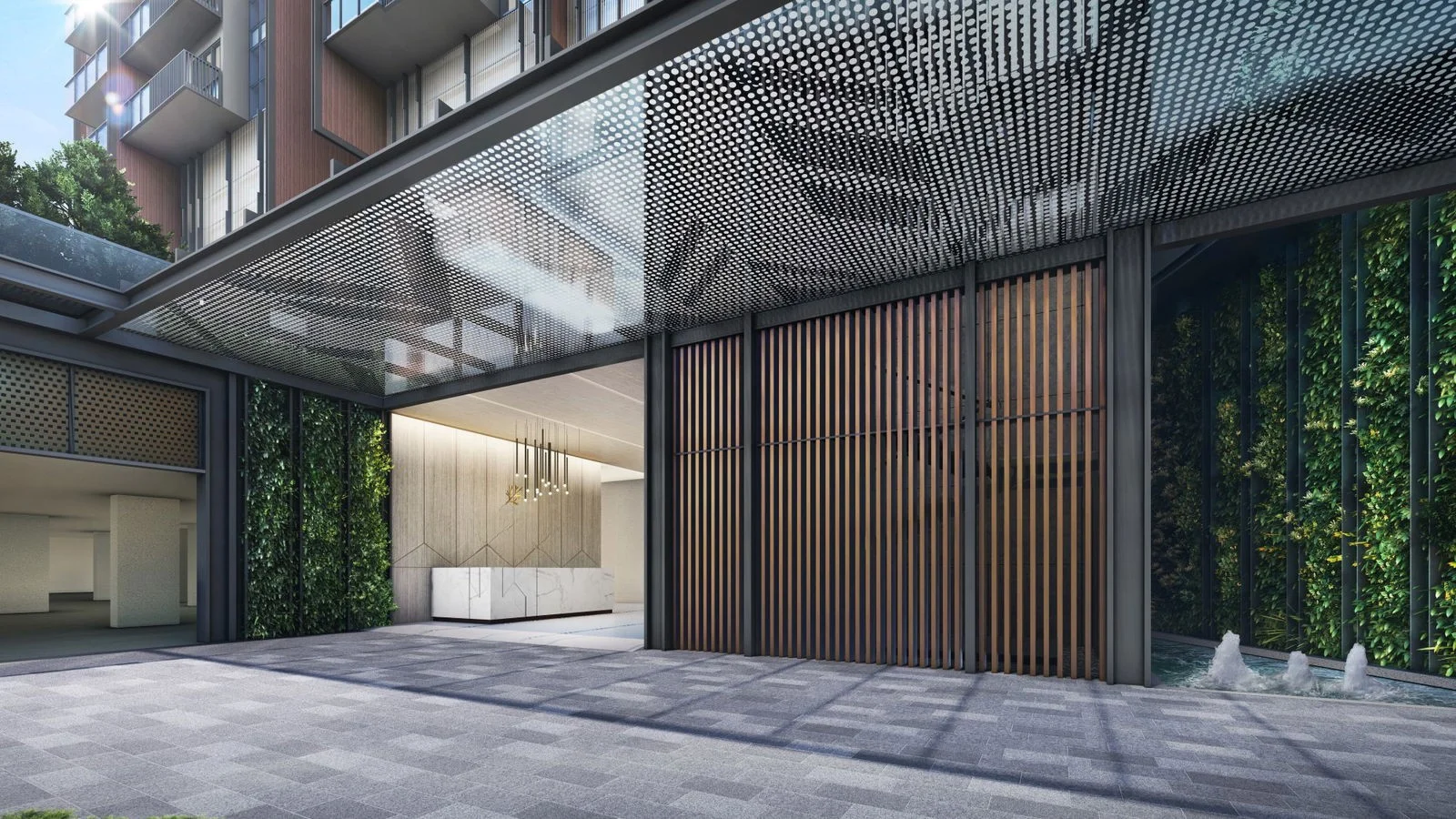
When planning your renovation, think green. Green Home Renovation Ideas can range from simple updates to more substantial changes, all aimed at reducing your environmental footprint. One popular option is installing a green roof or a living wall. Green roofs, which are covered with vegetation, provide insulation, reduce rainwater runoff, and improve air quality. Similarly, living walls—vertical gardens installed on interior or exterior walls—enhance aesthetics while also purifying the air and providing natural insulation.
Another idea is to use low-flow fixtures in bathrooms and kitchens. By installing low-flow toilets, faucets, and showerheads, you can significantly reduce water consumption without sacrificing performance. Water-saving appliances, like dishwashers and washing machines, are also excellent additions to any eco-friendly home.
Additionally, consider rainwater harvesting systems. These systems collect rainwater from your roof and store it for later use, such as watering your garden or even flushing toilets. This not only reduces your reliance on municipal water but also helps conserve this precious resource.
4. Explore Eco-Conscious Remodeling Tips
Beyond the materials and products you choose, the way you approach your renovation can also make a difference. Eco-Conscious Remodeling Tips focus on minimizing waste and maximizing efficiency throughout your project. Start by planning carefully—measure twice, cut once, and try to avoid over-ordering materials. If you do end up with excess, consider donating them to local charities or recycling centers.
Deconstruction, rather than demolition, is another sustainable approach. Instead of tearing down structures and sending the debris to a landfill, carefully dismantle materials so they can be reused or recycled. This method can salvage everything from bricks to cabinetry, giving them a second life in your home or elsewhere.
Choosing local materials and contractors is another eco-friendly practice. By sourcing materials close to home, you reduce the carbon footprint associated with transportation. Similarly, hiring local contractors supports the community and can lead to better collaboration on sustainable building practices.
5. Enhance Your Outdoor Space Sustainably
Your home’s exterior can also benefit from eco-friendly improvements. Sustainable landscaping, for instance, involves choosing native plants that require less water and maintenance. Xeriscaping—a landscaping method that reduces or eliminates the need for irrigation—can create beautiful, drought-resistant gardens.
Installing permeable paving in your driveway or patio is another environmentally friendly option. Unlike traditional concrete, permeable paving allows rainwater to seep through, reducing runoff and recharging groundwater.
Composting is another great way to make your outdoor space more sustainable. By composting kitchen scraps and yard waste, you can create nutrient-rich soil for your garden while reducing the amount of waste sent to landfills.
Conclusion
Sustainable home improvement is not just a trend—it’s a responsible choice that benefits both your home and the planet. By incorporating Sustainable Building Materials, implementing Energy-Saving Home Upgrades, and embracing Green Home Renovation Ideas, you can create a living space that reflects your commitment to environmental stewardship. These Eco-Conscious Remodeling Tips not only help reduce your carbon footprint but also enhance the comfort and value of your home.