Chris Craiker, The Architex Angle: Building sense of passive home design | Home and Backyard


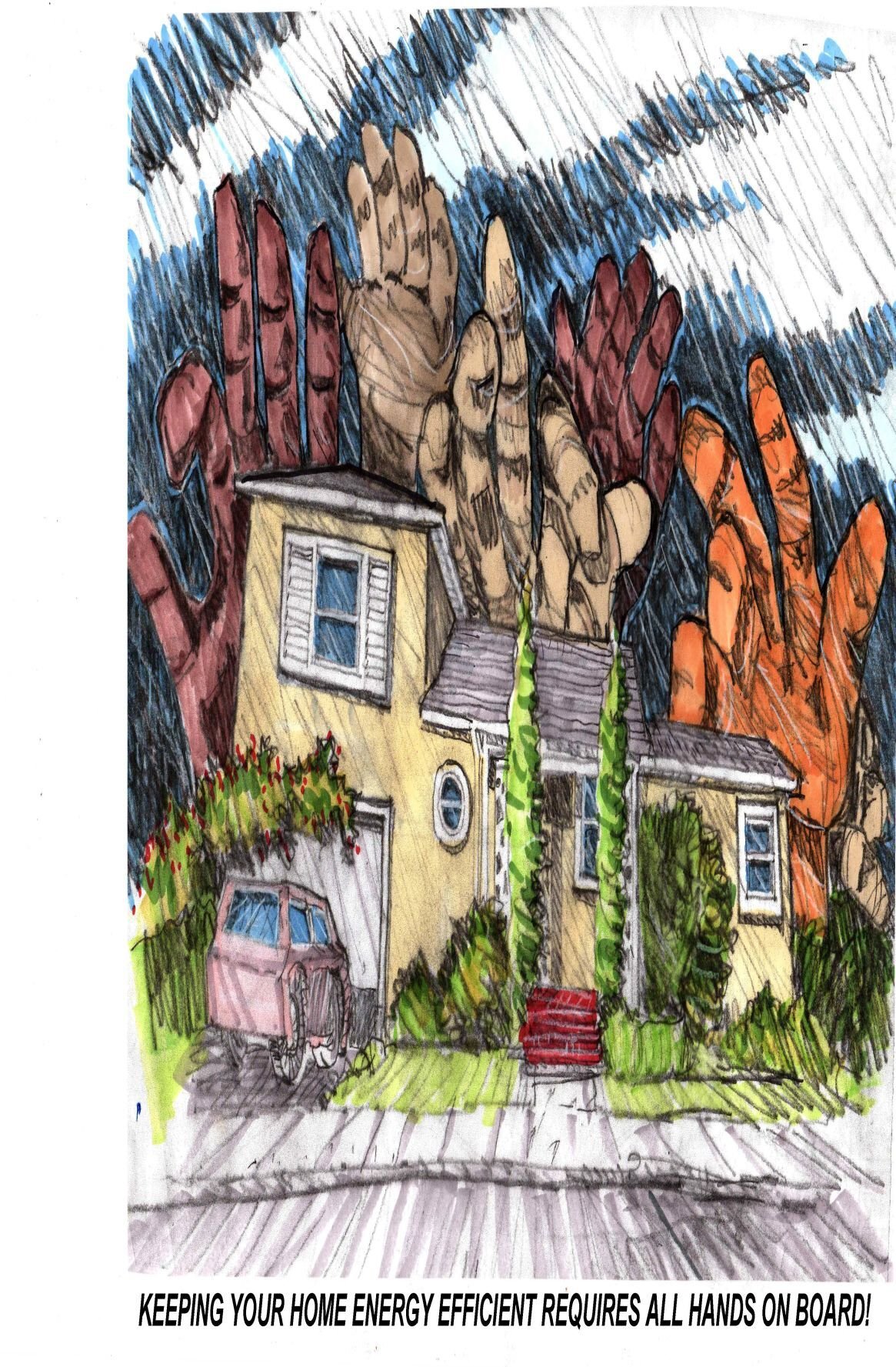


“Retaining your dwelling power-successful necessitates all hand on board,” writes architect Chris Craiker.




Passive design’s aim is to keep comfy living temperature in our houses and workplaces that reduce, if not get rid of, the need to have for auxiliary heating or cooling, which usually accounts for up to 40% of our vitality takes advantage of.
A person of the most recent environmental very hot buttons is passive home design. Truly, it is really nothing new. Architect’s models now hearken back to historic situations when our ancestors compensated consideration to their surroundings, chose caves going through south, overhangs on the west, with large exterior ramparts and interior temperature moderation.
The late 1800s introduced us quite a few engineering feats that would reduce the need to have for passive electrical power conservation style. We have these days a resurgence of “passive design” attributes. What’s aged is new once again, just like furniture and architecture. Although historic in software, it usually takes on new which means in our local climate-vitality mitigation.
Help neighborhood information coverage and the folks who report it by subscribing to the Napa Valley Sign up. Special present: 1 year for $26
The aim of passive layout is to keep a cozy living temperature in our households and workplaces that reduce, if not do away with, the require for auxiliary heating or cooling, which normally accounts for up to 40% of our power utilizes. California is a lot less disposed to vast temperature fluctuations, but however, it is a large vitality hog.
In the most straightforward terms, passive design and style is: 1) good solar orientation, 2) robust exterior envelope, and 3) minimized strength use. Currently this applies to all new home construction, where it is simpler to set up from the commencing, but it can also use to existing houses, 60 to 100 years aged, and even multifamily apartments.
There are some who would like to codify “Passive Design”, like LEED, which was popularized in the 2000s. When nonetheless applicable to business, LEED has fallen from grace by developing punch lists of sometimes elusive goals that only never work for every person. Like America’s various populace, every single home and condominium is distinctive. So, the finest path is to glimpse at all your solutions, decide on the most effective for you and keep the class.