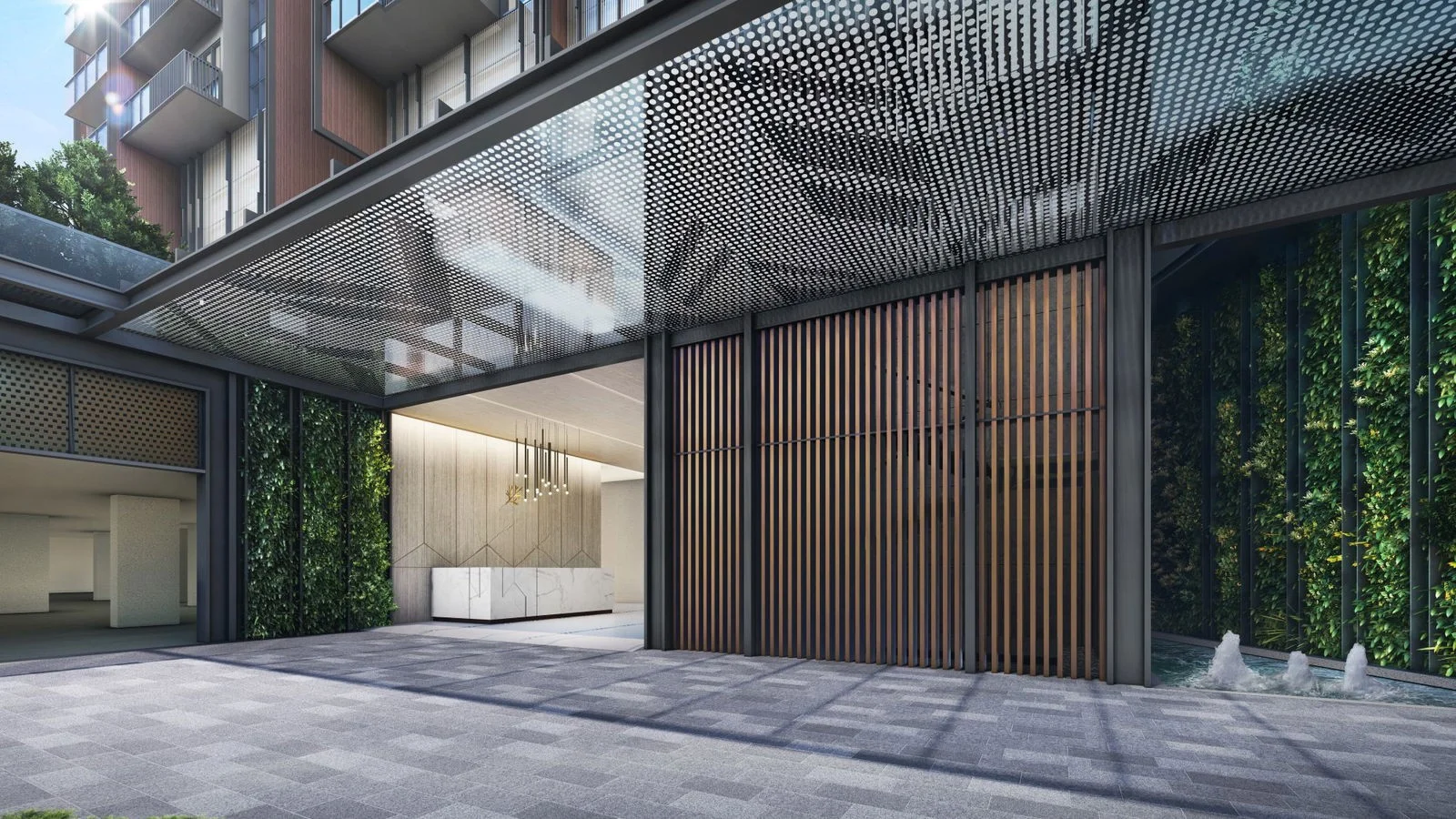
Reimagining Spaces: Where Bold Ideas Meet Everyday Living
Table of Contents

Reimagining Spaces: Where Bold Ideas Meet Everyday Living
In a world where urbanization is accelerating and living spaces are shrinking, the need to reimagine how we occupy and interact with our environments has never been more pressing. The concept of “reimagining spaces” goes beyond simple interior design or architectural trends—it’s about creating environments that foster creativity, well-being, and connection. Whether it’s a tiny apartment in a bustling city or a sprawling suburban home, every space has the potential to be transformed into something extraordinary. This article explores how innovative thinking can turn mundane living areas into hubs of inspiration and functionality.
The Power of Minimalism Meets Maximum Function
Minimalism has long been celebrated for its ability to declutter spaces and minds, but today’s reimagined minimalism takes it a step further by prioritizing functionality without sacrificing style. The key lies in smart storage solutions that blend seamlessly into the design. For example, multi-purpose furniture like wall beds that fold into cabinets or coffee tables with hidden compartments maximizes utility in small spaces. Additionally, the use of neutral color palettes and clean lines creates a calming atmosphere, allowing the mind to focus on what truly matters.
Another aspect of this approach is the integration of nature. Biophilic design—incorporating natural elements like plants, wood, and stone—has been shown to reduce stress and enhance productivity. A small balcony can become a lush garden retreat, while indoor plants improve air quality and add a touch of vibrancy. By merging minimalism with nature, spaces become not just functional but also restorative.
Technology as a Catalyst for Change
Technology is reshaping the way we live, work, and interact with our surroundings. Smart homes, once a luxury, are now becoming a standard feature in modern living. From automated lighting that adjusts based on the time of day to voice-controlled assistants that manage household tasks, technology is making spaces more adaptable and efficient. However, the true innovation lies in how these technologies are integrated into the design without overwhelming the user.
For instance, modular furniture systems equipped with wireless charging ports or embedded screens can transform a living room into a multifunctional workspace during the day and a cozy entertainment area at night. The challenge is to ensure that these advancements enhance rather than complicate daily life. When done right, technology doesn’t just make spaces smarter—it makes them more intuitive and user-friendly.
Community-Centric Design: Redefining Shared Spaces
As cities grow denser, the importance of shared spaces in residential buildings is gaining recognition. Gone are the days when hallways and lobbies were merely transitional areas. Today, they are being reimagined as social hubs that encourage interaction and community-building. Thoughtfully designed communal areas, such as rooftop gardens, co-working lounges, or fitness studios, foster connections among residents and combat the isolation often found in urban environments.
Architects and developers are also experimenting with flexible layouts that can adapt to different needs. For example, a ground-floor space might serve as a café during the day and a pop-up event venue in the evening. These dynamic environments not only maximize the utility of available space but also create opportunities for spontaneous interactions and cultural exchange. By prioritizing community, these designs transform buildings from mere shelters into vibrant ecosystems.
The Rise of Adaptive and Modular Architecture
Adaptive architecture is a game-changer for spaces that need to evolve with the changing needs of their occupants. This approach involves designing buildings and interiors that can be easily reconfigured to suit different purposes. For example, a studio apartment might feature movable walls that can be adjusted to create separate sleeping and working areas, or a home office could double as a guest bedroom with the help of fold-out furniture.
Modular design also plays a crucial role in sustainability. By using prefabricated, reusable components, buildings can be dismantled and reassembled in new configurations, reducing waste and environmental impact. This flexibility not only extends the lifespan of structures but also allows for customization that aligns with individual preferences. Whether it’s a tiny home or a large corporate office, adaptive and modular designs ensure that spaces remain relevant and functional for years to come.
Sustainability as a Core Principle
Sustainability is no longer a buzzword—it’s a necessity. As climate change becomes an increasingly urgent issue, the way we design and inhabit spaces must align with eco-friendly principles. This starts with the materials used in construction and interior design. Opting for recycled, reclaimed, or locally sourced materials reduces the carbon footprint of a project while adding unique character to the space.
Energy efficiency is another critical consideration. Passive design strategies, such as maximizing natural light and ventilation, can significantly reduce energy consumption. Similarly, incorporating renewable energy sources like solar panels or geothermal heating systems ensures that spaces are not only comfortable but also environmentally responsible. Even small changes, such as choosing low-VOC paints or installing water-saving fixtures, contribute to a healthier planet and a healthier living environment.
Cultural and Personal Expression in Design
While trends and technologies shape the evolution of spaces, the true soul of a home or workplace lies in the personal and cultural narratives woven into its design. Whether it’s through artwork, textiles, or architectural elements, spaces should reflect the identities and values of their inhabitants. For example, a home in a multicultural neighborhood might blend traditional decor from different cultures, creating a rich tapestry of influences.
Personal expression also extends to the way spaces are curated over time. A modular shelving unit can evolve as new items are added, while a gallery wall can be updated to celebrate milestones or reflect changing tastes. The key is to design spaces that are not static but dynamic, allowing them to grow and adapt alongside the people who inhabit them. In this way, reimagining spaces becomes a deeply personal journey rather than a one-size-fits-all solution.
Challenges and Considerations in Reimagining Spaces
While the potential for transformation is immense, reimagining spaces comes with its own set of challenges. Budget constraints, structural limitations, and zoning regulations can pose significant hurdles. However, creative problem-solving often leads to unexpected solutions. For instance, a limited budget might inspire DIY projects or upcycling, while strict regulations could push designers to explore innovative materials or construction techniques.
Another consideration is the balance between aesthetics and functionality. A visually stunning space that lacks practicality will ultimately fail to meet the needs of its users. Conversely, a purely functional space that ignores design will feel sterile and uninspiring. The most successful reimagined spaces strike a harmonious balance between form and function, ensuring that they are both beautiful and livable.
Looking Ahead: The Future of Living Spaces
The future of reimagined spaces is bright, with emerging trends and technologies paving the way for even more innovative designs. One such trend is the concept of “15-minute cities,” where essential amenities like grocery stores, schools, and healthcare facilities are within a 15-minute walk or bike ride from home. This model reduces reliance on cars and encourages a more sustainable, community-oriented lifestyle.
Another exciting development is the integration of artificial intelligence (AI) into space design. AI can analyze user behavior to suggest optimal layouts, lighting conditions, or even furniture arrangements. Imagine a home that adjusts its ambiance based on your mood or a workspace that reconfigures itself to boost productivity. While still in its infancy, AI holds immense potential for creating truly personalized and adaptive environments.
As we continue to push the boundaries of what’s possible, one thing is clear: the spaces we inhabit have the power to shape our lives in profound ways. By embracing bold ideas and rethinking traditional approaches, we can create environments that not only meet our practical needs but also inspire us to live more creatively, sustainably, and connectedly.
Ultimately, reimagining spaces is about more than just aesthetics—it’s about fostering a deeper connection between people and their surroundings. Whether through minimalist designs, smart technologies, or community-centric layouts, the goal is to craft spaces that resonate with the human experience. As we move forward, let’s challenge the status quo and embrace the endless possibilities that come with reimagining the way we live.