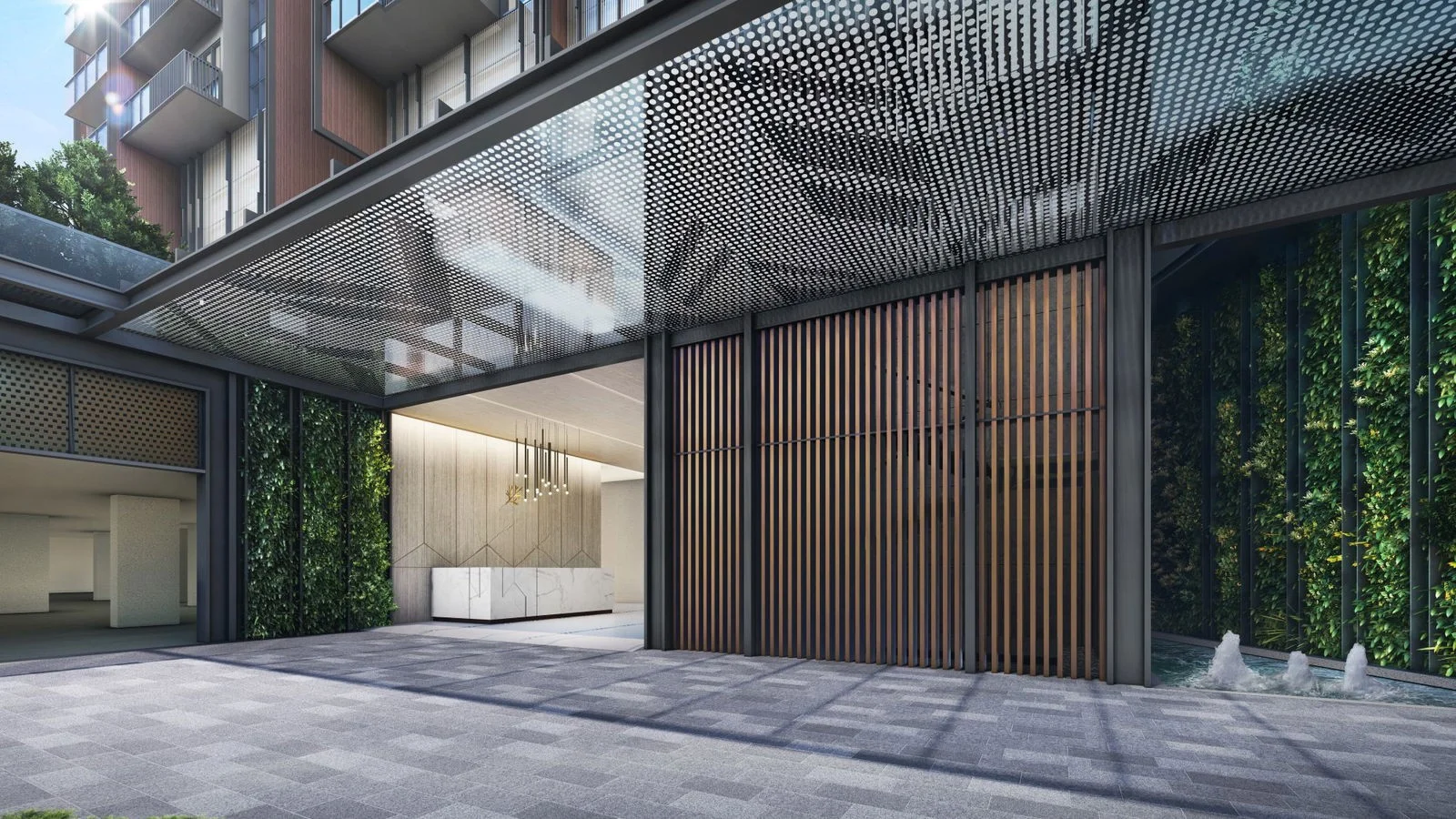
Dream Homes Tailored to You: Unleashing the Magic of Custom House Designs
Table of Contents

Dream Homes Tailored to You: Unleashing the Magic of Custom House Designs
Imagine walking into a home that feels like it was built just for you—every nook, every window, and every finish reflecting your personality, lifestyle, and aspirations. That’s the power of custom house designs. Unlike cookie-cutter homes that offer a one-size-fits-all approach, custom homes are crafted with intention, blending creativity, functionality, and personal meaning into every detail. Whether you’re dreaming of a cozy cottage nestled in the countryside or a sleek, modern urban sanctuary, custom designs turn your vision into reality. Let’s explore how this magical process works and why it’s a game-changer for homeowners.
The Allure of Custom Designs: Why Settle for Less?
In a world where mass production dominates, custom house designs stand out as a testament to individuality and craftsmanship. Here’s why they’re worth considering:
- Personalization Beyond Limits: Custom homes allow you to choose everything from the layout and materials to the smallest decorative elements. Want a home office with a skylight or a kitchen with a hidden pantry? It’s all possible.
- Optimized for Your Lifestyle: Unlike pre-built homes, custom designs can be tailored to your daily routines. Need a mudroom for your outdoor gear or a playroom for the kids? The space adapts to you, not the other way around.
- Energy Efficiency & Sustainability: Custom homes can incorporate the latest green technologies, from solar panels to smart insulation, reducing your carbon footprint and utility bills.
- Increased Property Value: A well-designed custom home often appreciates more than standard properties because of its uniqueness and quality craftsmanship.
For those who crave a home that truly feels like “home,” custom designs offer an unmatched level of satisfaction and pride.
The Process: From Dream to Reality
Turning a custom house design into a physical home is a collaborative journey between you and a team of experts. Here’s a step-by-step breakdown of what to expect:
1. Vision & Inspiration
The first step is to define your vision. Start by gathering inspiration—browse architectural magazines, Pinterest boards, or even neighborhood homes that catch your eye. Ask yourself:
- What’s my preferred architectural style? (Modern, farmhouse, Mediterranean, etc.)
- How many bedrooms and bathrooms do I need?
- Are there specific features I must have (e.g., a chef’s kitchen, a home theater)?
- What’s my budget range?
This phase is all about dreaming big and narrowing down your priorities. The more detailed your vision, the smoother the design process will be.
2. Hiring the Right Team
A successful custom home project relies on a skilled and cohesive team. Key players include:
- Architect: The mastermind behind your home’s structure and aesthetics. Look for someone who listens to your needs and has experience with similar projects.
- Interior Designer: Helps select finishes, colors, and furnishings to create a cohesive look.
- Contractor: Oversees the construction, ensuring the project stays on schedule and within budget.
- Landscape Architect (optional): Designs outdoor spaces like gardens, patios, or driveways to complement your home.
Don’t rush this step—interview multiple professionals and check their portfolios to find the right fit.
3. Site Analysis & Feasibility
Not every dream is feasible on every piece of land. A thorough site analysis considers factors like:
- Topography (slopes, soil type, drainage)
- Zoning laws and building codes
- Sunlight exposure and views
- Access to utilities (water, electricity, sewage)
This step ensures your design is practical and compliant with local regulations.
4. Schematic Design & Plans
With your vision and site analysis in hand, your architect will create initial sketches and floor plans. These drafts include:
- Room layouts and dimensions
- Exterior elevations and facade designs
- Structural considerations (foundation, roofing)
This stage often involves several revisions to refine the design until it aligns perfectly with your expectations.
5. Permits & Approvals
Before construction can begin, your design must receive approval from local authorities. Your architect or contractor will handle permit applications, which may include:
- Building permits
- Zoning approvals
- Environmental impact assessments (if applicable)
This process can take weeks or even months, so patience is key.
6. Construction & Project Management
Once permits are secured, the building phase begins. A good contractor will:
- Provide a detailed timeline and budget
- Coordinate with subcontractors (electricians, plumbers, etc.)
- Conduct regular inspections to ensure quality
- Keep you updated on progress
Expect some surprises along the way—construction is unpredictable—but a skilled team will handle them smoothly.
7. Final Touches & Move-In
The last phase includes installing fixtures, finishes, and landscaping. Your interior designer may help with decor choices, and the contractor will conduct final walkthroughs to ensure everything is perfect. Finally, the moment arrives: you unlock the door to your brand-new, custom-built home.
Design Styles to Spark Your Creativity
Custom homes come in a variety of styles, each with its own charm. Here are some popular options to consider:
Modern Minimalist
Characterized by clean lines, open spaces, and a neutral color palette, modern minimalist homes focus on simplicity and functionality. Think large windows, flat roofs, and uncluttered interiors.
Farmhouse Chic
This style blends rustic elements with modern comforts. Expect features like exposed wooden beams, shiplap walls, a spacious porch, and a cozy fireplace. Perfect for those who love a warm, inviting atmosphere.
Mediterranean
Inspired by coastal regions of Europe, Mediterranean homes often include stucco walls, terracotta roof tiles, arched doorways, and lush courtyards. They exude elegance and relaxation.
Contemporary
Similar to modern design but with more flexibility, contemporary homes incorporate current trends in architecture and materials. Expect bold shapes, mixed textures, and innovative use of space.
Cottage Core
A whimsical, storybook-inspired style, cottage core homes feature asymmetrical facades, gabled roofs, flower gardens, and charming details like window boxes and picket fences.
Industrial
For urban dwellers, industrial-style homes embrace raw materials like concrete, steel, and brick. Exposed ductwork, high ceilings, and open-concept layouts create a loft-like aesthetic.
The key is to choose a style that resonates with you and complements your lifestyle. Your architect can help blend elements from different styles to create something uniquely yours.
Budgeting for Your Dream Home
Custom homes are an investment, and budgeting is crucial to avoid surprises. Here’s how to plan financially:
Understand the Cost Factors
Several variables influence the total cost of a custom home, including:
- Location: Urban areas and desirable neighborhoods tend to be more expensive.
- Size & Complexity: Larger homes or those with intricate designs (e.g., multiple stories, unique shapes) cost more.
- Materials: High-end finishes like marble countertops or hardwood floors increase the budget.
- Labor Costs: Skilled contractors and artisans charge premium rates.
- Permits & Fees: These can add 10-20% to the total cost.
Set a Realistic Budget
A common rule of thumb is to allocate 1.5 to 2 times the base construction cost for the total project. For example, if building your home costs $300,000, budget an additional $150,000 to $300,000 for land, permits, landscaping, and contingencies.
Create a detailed spreadsheet to track expenses and leave a 10-15% buffer for unexpected costs.
Prioritize Your Spending
Not every element of your home needs to be high-end. Allocate funds where they matter most to you. For instance:
- Invest in a quality roof and insulation for long-term savings.
- Splurge on a chef’s kitchen if you love cooking.
- Save on decorative items like wall art or furniture.
Explore Financing Options
Custom homes typically require construction loans, which differ from traditional mortgages. Options include:
- Construction-to-Permanent Loan: Converts to a mortgage after construction is complete.
- Stand-Alone Construction Loan: Covers only the building phase; you refinance afterward.
- Owner-Builder Loans: For those who want to manage the project themselves.
Consult a financial advisor to find the best fit for your situation.
Common Pitfalls & How to Avoid Them
While custom home projects are exciting, they can also be fraught with challenges. Here are some pitfalls to watch out for:
1. Underestimating the Budget
Many homeowners are surprised by hidden costs, such as soil testing, utility hookups, or upgrades. Always overestimate your budget to avoid financial stress.
2. Rushing the Design Phase
Skipping thorough planning can lead to costly changes during construction. Take your time to refine the design and review plans multiple times.
3. Choosing the Wrong Contractor
A poorly vetted contractor can cause delays, shoddy workmanship, or budget overruns. Always check references, licenses, and past projects before hiring.
4. Ignoring Future Needs
Your home should adapt to your life as it evolves. Consider features like aging-in-place design, extra storage, or flexible rooms that can serve multiple purposes.
5. Neglecting the Surrounding Area
A beautiful home deserves a beautiful landscape. Plan your outdoor spaces early to enhance curb appeal and functionality.
By being proactive and realistic, you can steer clear of these common mistakes and enjoy a smoother building experience.
The Emotional Reward of a Custom Home
Beyond the financial and practical benefits, custom homes offer something intangible: a deep sense of fulfillment. There’s a profound joy in seeing your ideas come to life, knowing that every detail was chosen with care and intention. A custom home becomes more than just a place to live—it’s a reflection of who you are.
Many homeowners describe the process as transformative. It’s an opportunity to reconnect with what truly matters to you, whether that’s family, creativity, sustainability, or luxury. The result is a space that nurtures your soul and brings your family together in ways a standard home never could.
Ready to Begin Your Journey?
If you’re inspired to create a home that’s as unique as you are, the first step is to start planning. Gather ideas, assemble your dream team, and embrace the process with an open mind. Remember, the magic of custom house designs lies in the collaboration between your vision and the expertise of professionals who bring it to life.
Your dream home isn’t just a future address—it’s a legacy. And it all starts with a single step: dreaming boldly.