
How and Why to Create a Feature Wall in Your Bathroom
Why Feature Walls Are Back in Style
In recent years, bathrooms have shifted from being purely practical spaces to becoming key design statements within the home. One of the simplest yet most effective ways to elevate your bathroom is by introducing a feature wall. This single design element can create focus, add visual depth, and bring a touch of luxury or personality into the space—whether you’re renovating an en-suite or updating a main family bathroom.
Feature walls aren’t just for living rooms or bedrooms anymore. With the right materials and colour choices, they can transform even the smallest bathroom into a stylish sanctuary.
Where to Position a Bathroom Feature Wall
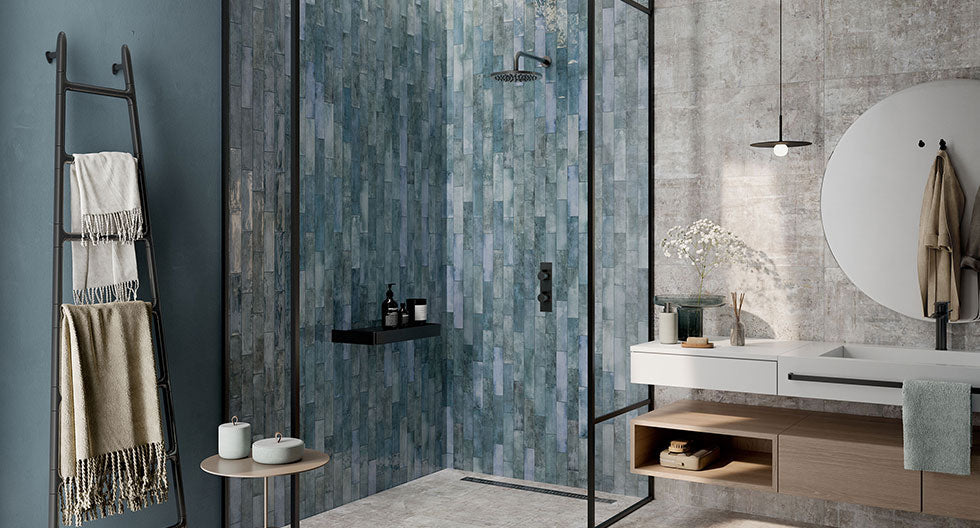
The most common placement for a bathroom feature wall is behind the bath or within a walk-in shower enclosure. These areas naturally draw the eye and benefit most from a striking backdrop. Another popular option is the wall behind the sink and mirror, as it gives everyday routines a more polished, boutique-hotel feel.
When choosing the position, it’s best to think about sightlines. Which wall do you see first when walking into the room? Which part of the space could use more definition or drama? The answer will help guide the placement and ensure the feature wall serves its purpose.
Choosing Materials That Make a Statement
Tiles are one of the most versatile and practical materials for a bathroom feature wall. From large-format marble-effect slabs to intricate mosaics and textured ceramics, the range available means you can find something to suit every budget and style. Glossy metro tiles in bold colours work well in modern spaces, while patterned or handmade tiles lend a softer, vintage appeal.
For a spa-like look, consider natural stone tiles or porcelain tiles that mimic concrete, slate, or wood. These add a tactile element while maintaining water resistance and easy cleaning. Statement wallpaper can be another route—but in bathrooms, it must be specially treated for humidity or used on a wall that doesn’t receive direct water contact.
Using Colour to Create Contrast
A well-designed feature wall adds contrast—either through colour, texture, or both. Dark tiles against light walls create a moody, dramatic effect, especially when paired with gold or black fixtures. Conversely, pale patterned tiles or soft pastels on one wall can break up an all-white bathroom, adding personality without overpowering the space.
Tone-on-tone schemes also work beautifully. For example, pairing soft grey walls with a deeper grey feature wall tiled in a geometric pattern maintains harmony while still introducing variety.
Lighting to Highlight the Design
Once your feature wall is in place, lighting becomes key. Recessed lighting, backlit mirrors, or a strategically placed pendant can help draw attention to the wall and bring out the texture or pattern of the tiles. In showers, overhead spots or waterproof LED strips can enhance the drama and showcase the design.
Layered lighting not only serves a functional purpose but adds warmth and ambience, turning the bathroom into a much more inviting space.
Practical Considerations for Lasting Impact
Bathrooms are exposed to steam, splashes, and cleaning products—so your feature wall must be built to last. Tiles are naturally suited for this environment, offering both durability and ease of maintenance. Always ensure the surface behind your tiles is properly prepared and waterproofed, particularly in wet zones like the shower.
If you’re using tile with natural variations—such as stone or marble—take time to plan the layout. A feature wall should look intentional, not like a random selection of leftover pieces.
Tailoring the Look to Your Style
Whether your home is a Victorian terrace or a new-build apartment, there’s a feature wall style that can complement your overall aesthetic. For period homes, heritage-inspired patterned tiles can nod to tradition while still feeling fresh. In contemporary spaces, a minimalist approach using texture—such as fluted panels or large-format tiles—can add just the right amount of interest.
Industrial, boho, coastal, and Scandi styles can all be reflected in your bathroom through the right choice of tile, grout colour, and accessories. The feature wall becomes the anchor that holds the whole look together.
Final Thoughts on Designing a Bathroom Feature Wall
Creating a feature wall in your bathroom is about more than adding colour—it’s about bringing focus, personality, and a touch of flair to a space that deserves just as much design attention as the rest of your home. With the right placement, materials, and finishing touches, your feature wall can turn a functional room into a stylish retreat.
